Days

PROGRAM OVERVIEW

As Thailand's downstream sector enters 2027, the industry faces a defining paradox: record-high refining margins coinciding with a prolonged petrochemical trough cycle. The Golden Age of Refining – driven by tightening global supply from refinery closures in the US and Europe – has delivered Singapore Gross Refining Margins of approximately US$12/bbl in 2026, with analysts projecting continued strength through 2027-2028. Yet the petrochemical segment remains under intense pressure, with olefin and aromatic spreads compressed by structural overcapacity from China. Thai refiners have dramatically reduced their reliance on Middle Eastern crude from 58% to just 30%, diversifying supply sources in response to ongoing geopolitical tensions.

The decarbonization imperative has moved from policy to execution. The OECD has provided Thailand with actionable roadmaps for bio-ethylene production, bio-based and biodegradable plastics, and Carbon Capture and Storage. With the petrochemical sector being ASEAN's largest and plastics accounting for nearly 7% of national GDP, Thailand aims to position itself as the ASEAN bioplastics hub by 2027. The Draft Climate Change Act, Emissions Trading Scheme, and Thailand Taxonomy are expected to provide the regulatory backbone for carbon pricing and investment incentives.

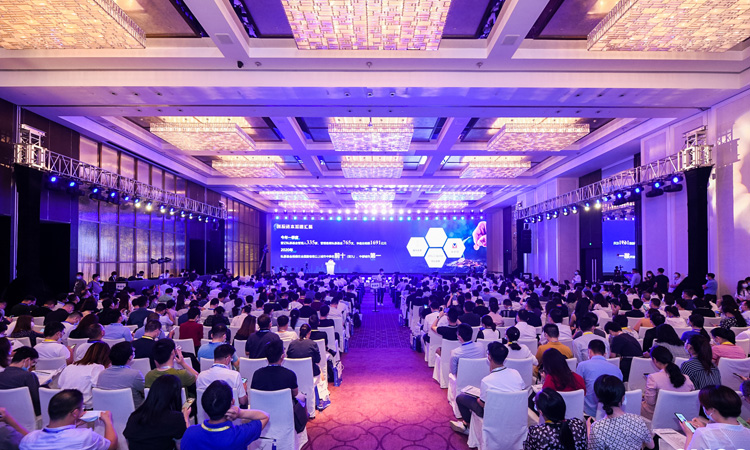
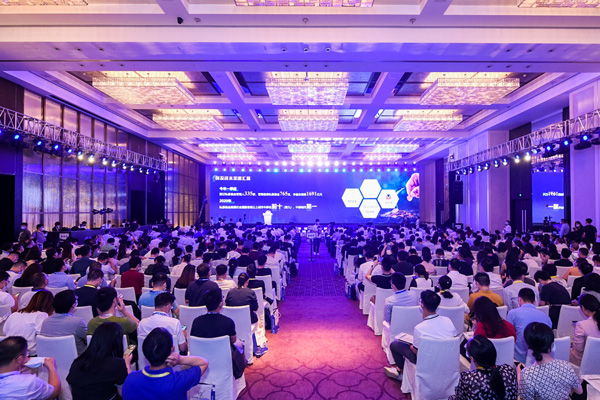
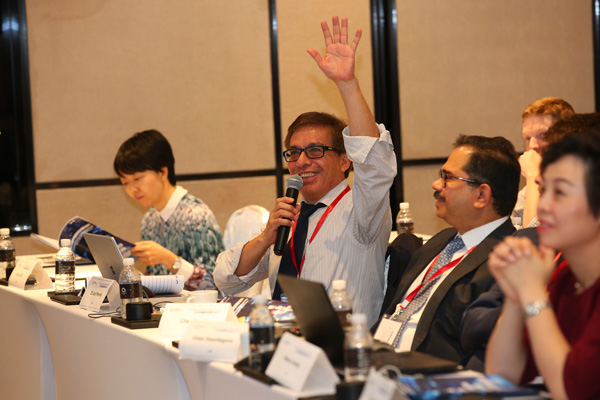
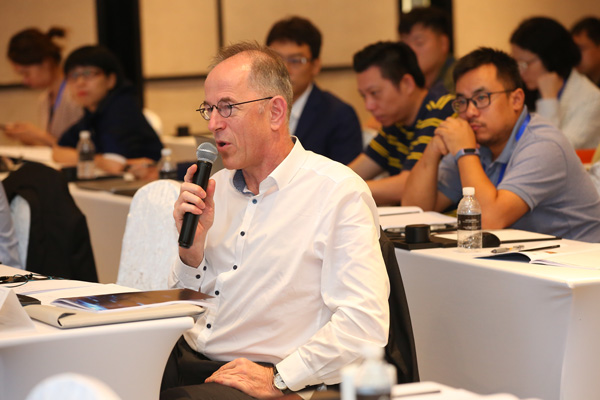
Against this backdrop of peak cycle dynamics, geopolitical recalibration, and accelerated decarbonization mandates, Refining & Petrochemical Innovation Conference Thailand 2027, scheduled for January 20-21, 2027 in Bangkok, will convene 300+ government officials, refinery and petrochemical project owners, EPCs, global technology licensors, digital solution providers, and equipment vendors to navigate the critical challenges and opportunities shaping Thailand's downstream future.

CONFERENCE HIGHLIGHTS

REFINERIES & PETROCHEMICAL PRODUCERS
65%
GLOBAL DOWNSTREAM CASE STUDIES
30
MEDIA INTERVIEWS
30
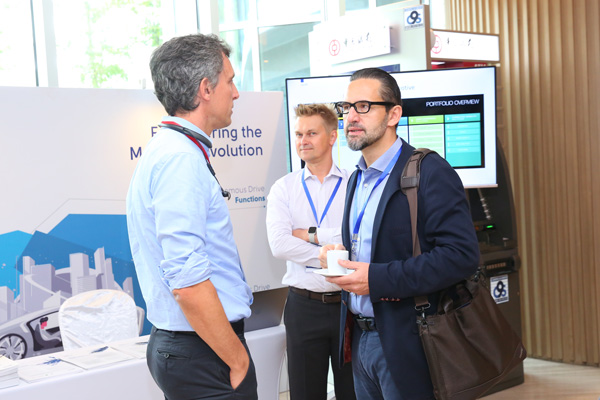
ONE-to-ONE MEETINGS
50+
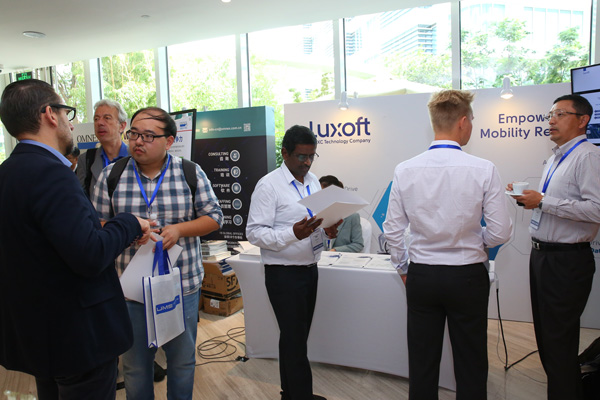
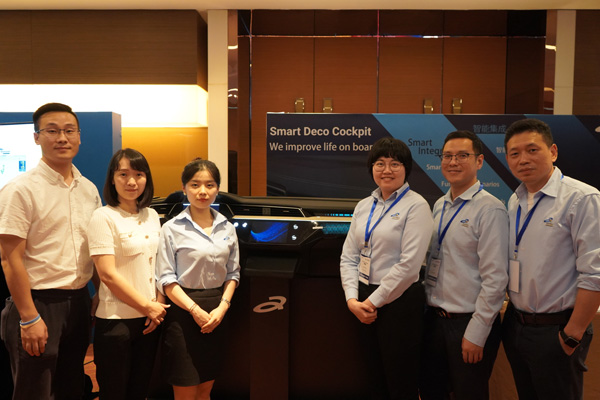
EXHIBITORS
20+
PARALLELED STREAMS
2+
ROUND TABLE DIALOGUE
2+

AGENDA ATAGLANCE

Day One, Jan. 20

AM
  • Thailand's Refining & Petrochemical Industry at a Crossroads: Balancing Energy Security and the Net-Zero Mandate
  • Thailand's Carbon Pricing Architecture: From Draft Climate Change Act to Reality
  • Panel Discussion: Charting a Decarbonization Roadmap for Thailand's Downstream Petrochemical Sector
  • The New Crude Reality: Diversifying Feedstock Sourcing Amidst Global Uncertainty
  • Bangchak 100x: The $970 Million Strategy to Double EBITDA by 2028
  • Digital Transformation: Optimizing Operations Through Data-Centric Asset Performance Management
PM
  • The New Frontier: Positioning Map Ta Phut as a Regional Hub for High-Value, Low-Carbon Businesses
  • Driving Efficiency and Adaptability: Innovations in Catalysts and Feedstock Flexibility
  • Achieving Operational Excellence Through Digital Transformation
  • Digital Transformation: The Game Changer for Thailand's Downstream Competitiveness
  • Panel Discussion: Unlocking Efficiency with Digital Twins, AI, and Integrated Data Ecosystems
  • SCGC's Ambitious Pathway to Greenhouse Gas Reduction: A Comprehensive Strategy for CCU Technology
  • Future-Proofing Assets: Modernization and Expansion Plans

Day Two, Jan. 21

AM
  • Translating Policy into Action: Thailand's Path to a Circular Plastics Economy
  • Data Analytics Unlocking The Full Value Of Big Data
  • Leveraging Digital Twins for Production Optimization and AI Integration
  • Advancing a Circular Economy: Valorizing Plastic Waste into High-Value Petrochemicals
  • Modernization and Transformation: Project Updates on Retrofitting and Reconfiguring Refining & Petrochemical Assets
  • Case Study: The Road to Net Zero – Decarbonising a Refinery
PM
  • Driving Operational Excellence: Integrating Process Optimization, Asset Integrity, and Operational Safety
  • The Global Petrochemicals Outlook: Creating Value Amid Energy Transition and Geopolitical Complexity
  • Hydrogen: Paving the Pathway to a Decarbonized Future
  • Modernization of OT Systems at the age of AI/ML, cyberthreats and Sustainability
  • Biohydrogen as a New Pathway Producing Hydrogen with Competitive Price
  • Modernizing Operations: Transforming Assets to Thrive in a Dynamic Market
  • How Can ASEAN Build on its Potential for Hydrogen?
CLICK HERE TO READ MORE DETAILS OF THE AGENDA

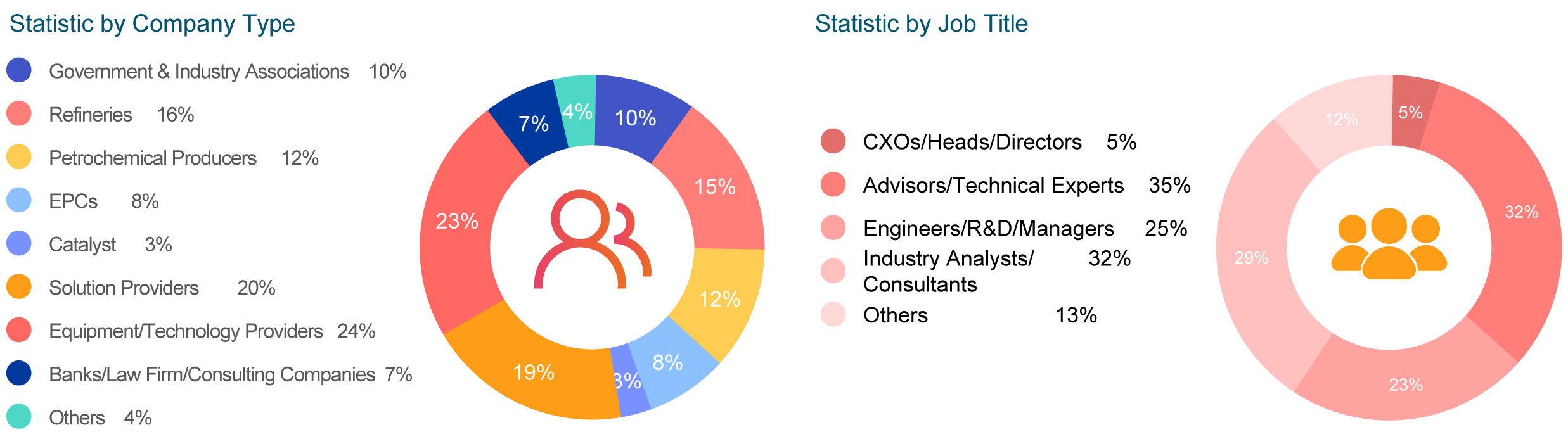
WHO WILL ATTEND

HOT TOPICS OF RPIC THAILAND 2026

Decarbonization and Circular Economy

Refiners can now take a strong lead into a new, profitable business area. Advanced chemical recycling via feedstock is a technology that has emerged that allows companies to turn waste into income and produce clean, premium feedstock for steam crackers. Being a first mover into this area is a promising avenue for refineries to utilize the assets they already have to provide a feedstock for producing circular plastic. In doing so you can meet the increasing demand from petrochemical companies and their customers (or brand owners) for a more sustainable, circular plastic product.

Digital Transformation and Operational Excellence

The digital transformation is redefining the context of operational excellence. Over 79% of refining and petrochemical professionals are very confident that an operational excellence (OE) mindset will result in safer, more reliable and profitable operations. Digitalization is the essential tool; unleashing the power of data to meet the challenges—and to be more profitable while doing so. An underlying enabler of industrial digitalization, the integration of IT and OT has been playing out slowly for decades. But it is now gathering massive momentum and delivering a vast array of new possibilities.

Catalyst Innovation and Feedstock Flexibility

Catalytic processes are at the heart of all refineries and petrochemical complexes. The global catalyst market is booming, with continuous technology developments in catalyst production, optimization and increased efficiency in achieving operating goals. This trend is especially true in the refining sector where the use of catalytic processes is on the constant rise. The Global Catalyst market is forecasted to grow at CAGR of 4.6% by 2024 – further expansion is expected with developments in refining, petrochemicals, chemicals and evolving environmental factors – all increasing demand for more performant catalysts, and investment in R&D. The demand in refining catalysts is forecasted to reach over $4.7 bln. this year (annual growth slightly lower than global sales of all catalysts – 3.6% per annum – signs of a potential misbalance in some regions, esp. on mature markets, in the upcoming few years).
Refinery & Petrochemical Integration

The energy transition and electrification of transport will slow the pace of global gasoline demand growth and ultimately drive it into reverse. Meanwhile, the versatility and durability of petrochemicals ensures sustained demand growth, particularly in the developing economies of Asia. (Somewhat tempered by the increase in recycling driven by the global war on plastic waste.) This overarching mega-trend promotes the adoption of refinery-petrochemical integration, particularly for new facilities. Already, more than 30% of the world's refineries are now integrated with commodity petrochemicals. These sites benefit from both a diversified product slate, and the potential to unlock greater value through economies of scale and operational cost synergies.
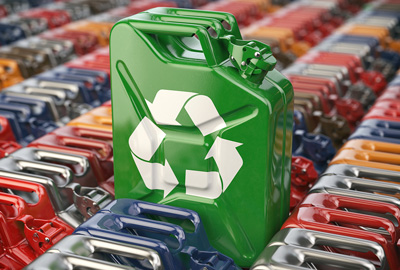
Biofuel & Clean Fuel

Bio-based raw materials and associated process technologies form an entirely new engineering challenge for integrated petroleum refineries. The composition variation of raw materials, including trace components, various logistical problems and the difficulty of coming up with the right integration approach compared to conventional engineering of fuel refineries using petroleum feedstocks, needs new types of skills and experience. The fundamental engineering challenge is to combine existing advanced petroleum process technologies with various aspects of the problems faced in renewable fuels process engineering and to come up with the optimal design approach that enables the implementation of biomaterial streams to the highly integrated process environment of a petroleum refinery.

Hydrogen and CCUS

The hydrogen economy is gaining momentum, and technologies are playing a key role in helping manufacturers to unlock the potential of this light gas. Even petrochemical groups that refine crude oil are starting to transition to a more sustainable future built on H2. Integrated refinery and petrochemical operations use huge volumes of hydrogen, for example to desulfurize the fuels they produce. However, the application opportunities for H2 extend far beyond desulfurization, as one of our largest refinery and petrochemical customers is demonstrating. Refineries require huge amounts of hydrogen. And companies that convert low-grade crude oil into low-emission fuels need even more of this light gas, integrate hydrogen technologies enabling even highly sulfurous crude oil to be refined into high-grade, low-emission fuels.

Registeration

  • Normal Ticket

    $?,000

    ¥580
    优惠票价信息
  • Main Conference

    Sub-Streams

    Buffet Lunch

    Documentation Package

  • TO BE SPONSOR

    $?,000

    ¥580
    优惠票价信息
  • Main Conference

    To know more Brands

    3 One to One Meetings

    Known by 200+ Delegates

    Reported by all Media Partners

  • TO BE EXHIBITOR

    $?,000

    ¥580
    优惠票价信息
  • Main Conference

    Standard Exhibition Booth

    3 One to One Meetings

    Sub-Streams

    Documentation Package
PART OF PREVIOUS SPEAKERS

Ye Yingmin

Founder & Managing Director
Chem1 Consulting & Service

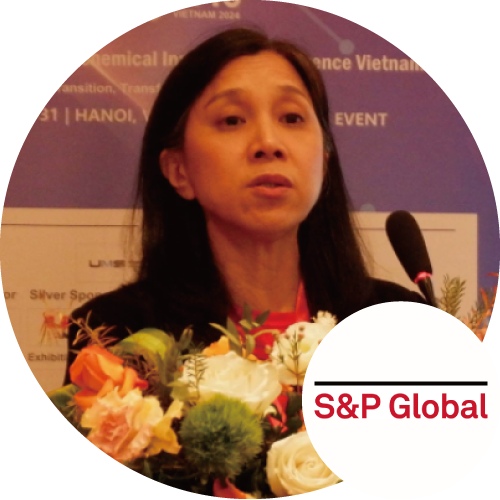
Sukanya Boonneung

Consulting Director
S&P Global Thailand
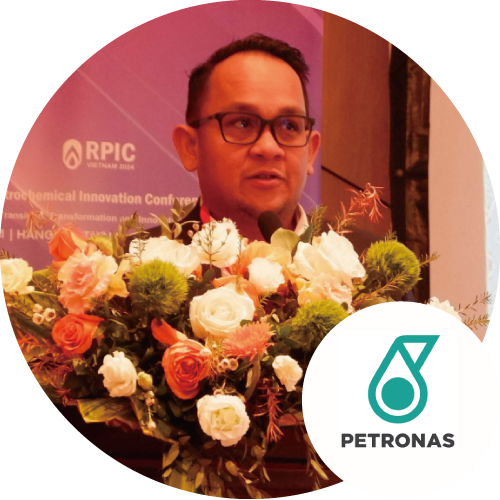
Shahidan Laili

Executive Assistant to the President and Group CEO
Petronas
Dempsy Robby Kambey

General Manager, Asset Management
PT Kreasindo Resources
Dieter Billen

Partner, Energy, Sustainability & Infrastructure, South East Asia
Roland Berger
Ms. Ha Do

Senior Partner, Head of ASPAC International Development Advisory Services
KPMG
Rolan Lambhert Nababan

Business Analyst - Oil & Gas Downstream
BPH Migas
Muthya Octariany Nauli

Sales Executive
Hitachi Energy
Xingwen Li

Regional Representative Technology & Business
SINOPEC Group
Larry Tan

Vice President Chemical Industry Consulting Asia
S&P Global
Ir. I. Hubert I. Widiastono

, Project Director
PT. Maharaksa Biru Energi Tbk
Yi Zhou

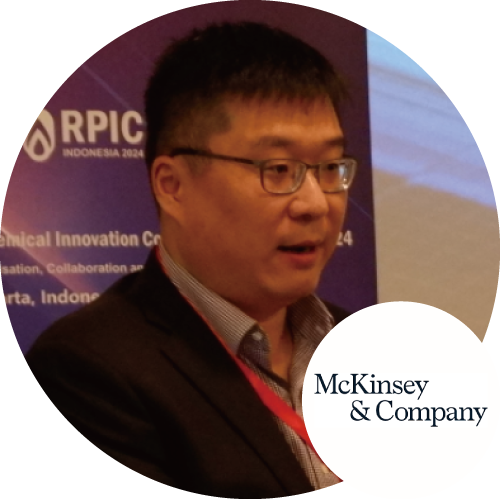
Partner Jakarta
MCKINSEY & COMPANY
Bob Poteet

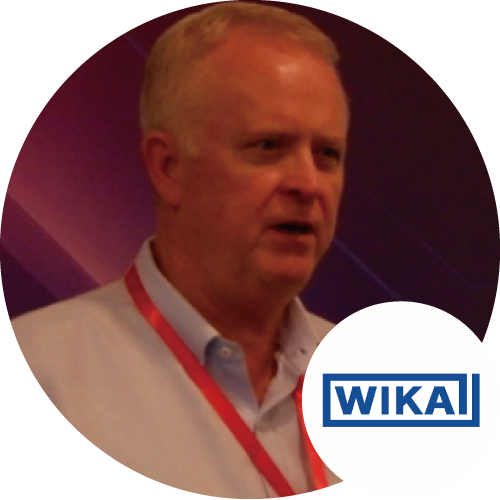
, Director of Global Business Development
WIKA
Anton Santoso

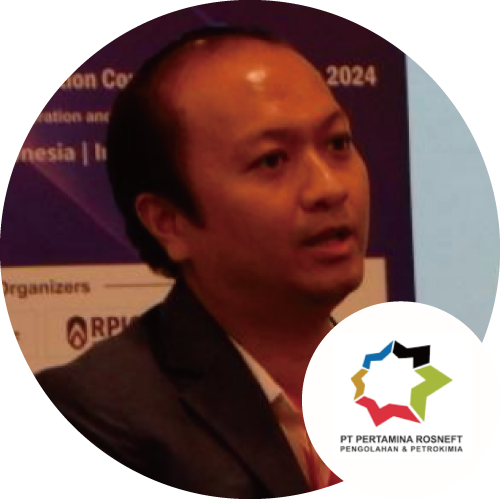
Principle Engineer(Process Engineer)
Pertamina Rosneft Pengolahan dan Petrokimia
Rizki Ekananda

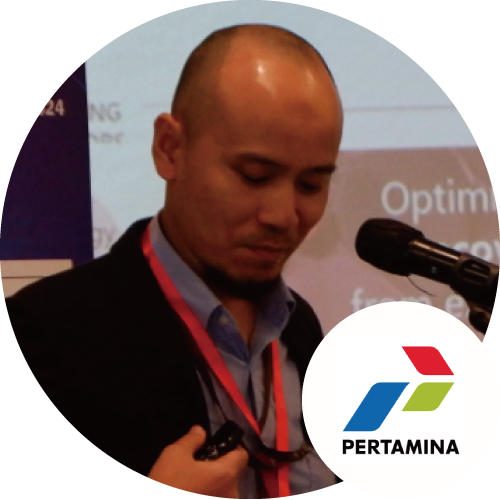
Sr. Specialist Process Development Research
PT Pertamina (Persero)
Mathieu Geze

Director Asia
HDF Energy
Budi SUSANTO

, Deputy Chairman for Business Development
INAplas
Sebastian Hoefer

Director APAC Downstream Consulting
Wood Mackenzie
Dr. Feng Shaohua

Director, Polymers in APAC
S&P Global Commodity Insights
Yulianto Tjen

Southeast Asia Market Development Manager
Dow Polyurethanes
Oji Fahrurrozi

President Director
PT Ineos Aromatics Indonesia
Ir. Shahidan Laili C.Eng

Head, Glycol & Derivatives (Petrochemical)
PRefChem
Anton Santoso

Principle Engineer (Process Engineer)
Pertamina Rosneft Pengolahan dan Petrokimia
Syam Ukkandath Aravindakshan

Researcher
Neste Corporation
Ron Beck

Senior Director, Solutions Marketing
AspenTech USA
M. Nuramzan Iftari

Sr. Analyst, Information Management
PT Perusahaan Gas Negara Tbk
Hadiyan Fariz Azhar

CEO
Indonesian Recyling Association ADUPI
Andri Wijaya

Sr. Market Development Engineer
SABIC
Sunil Patil

Senior Director, Solution Consulting
AspenTech Singapore
Rajneesh Ojha

Digital Transformation Lead (APAC), Engineering & Automation Lead
Indorama Ventures Ltd
Cao Tuan Si

Production Deputy Manager
Binhson Refining and Petrochemical Co Ltd
Dr. Xinjin Zhao

Vice President, Downstream Technologies
ExxonMobil Catalysts and Licensing, LLC
Dr. Nguyen Thanh Hai

Chairman, Board of Director
High Technology Petrochemicals
Priya Narain Balchandani

Director of Global Research
Standard Chartered Bank
Samir Saxena

Chief Technical Advisor, Refining Technology
KBR
Sarang Mahajan

Principal
DuPont Sustainable Solutions, Asia Pacific
Dang Kim Hoang

Head of Chemical Engineering - Oil & Gas Department
The University of DaNang-Universty of Science and Technology
Satit Vaewvichit

Director – Chemical Consulting
IHS Markit
Trinh Tuan Dung

Country Chief Exécutive
Bureau Veritas Vietnam
Zhiguo Hou

Technical Sales Manager, Catalysts and Licensing
ExxonMobil Chemical Company
Vishal Pandey

Head of Business Development & Sales, South East Asia
Linde Engineering<
Charlie Chou

Global Licensing Manager
GTC Technology
Sushant Gupta

Director, APAC Refining
Wood Mackenzie
Patiphat Sumrongthong

Chief Executive Officer
P-DICTOR Company Limited
Sanjay Lodha

Global Business Director
Tubacex
Sanjay Peshin

, Sr Director, Strategic Engagements – MFG & ERU - APAC
Tata Consultancy Services
Sharul A-Rashid

Technical Deliver Excellence, Group Technical Solutions
Petronas
Mayuresh M

,Digital Solutions Client Engagement
Ingenero

PARTNERS

Review of Previous Conference

DOWNLOAD

Close

CO-LOCATED EXHIBITION

TESTIMONIALS